December 2025
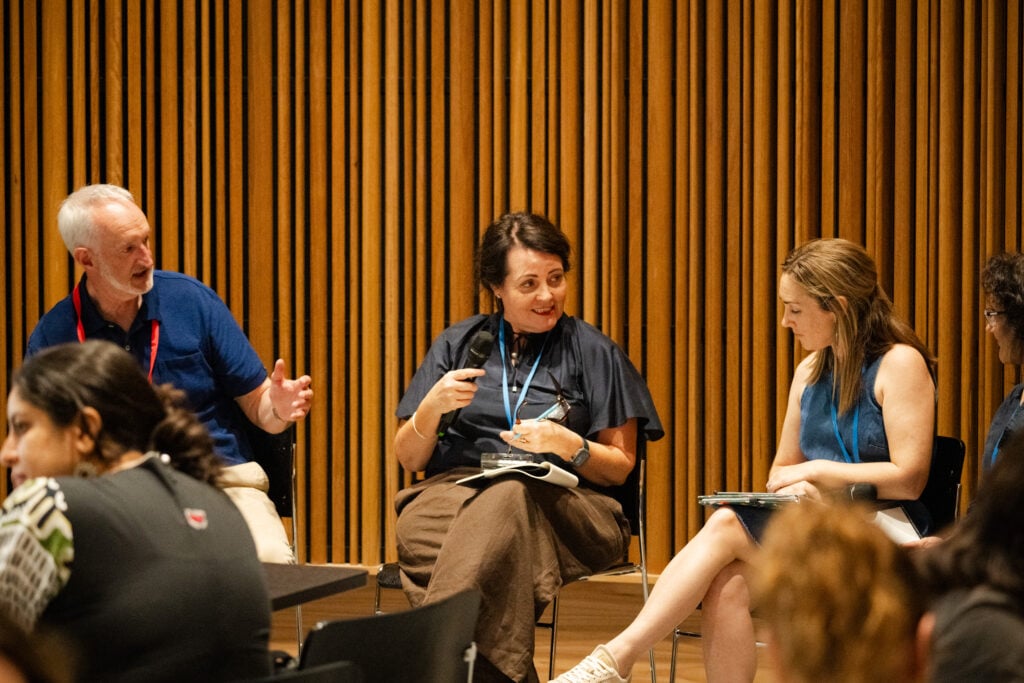
Shared decision-making (SDM) is increasingly recognised as a cornerstone of effective public policy and community-led change in Australia. Yet, for government policy makers and community practitioners, navigating the complexities of SDM remains a persistent challenge. Drawing on recent panel insights at ChangeFest 2025, this blog explores the critical enablers and hurdles that shape meaningful collaboration, offering practical perspectives for those working on the front lines of change.
One of the panel’s key messages was the need for clarity about who participates in SDM and what truly constitutes ‘community’. This isn’t just about ticking boxes—it’s about redistributing power, embedding First Nations perspectives, and fostering accountability and transparency among all partners. Both national and local models emphasise that shared decision-making must span the entire policy lifecycle, pushing beyond tokenistic engagement to enable authentic co-governance and co-production.
A recurring theme was the importance of deep relational work. Trust, mutual respect, and strong partnerships are the foundations of effective SDM. Without genuine relationships, even the most robust frameworks will struggle to deliver outcomes that matter. But relationships alone aren’t enough. Clear roles, transparent processes, and the honest communication of constraints are just as vital—ambiguity breeds frustration and can derail progress, especially when government limitations aren’t openly acknowledged.
Structural factors also play a decisive role. Flexible leadership and supportive departmental cultures allow innovation to thrive and empower communities to lead. Conversely, rigid policies and risk-averse mindsets can erode trust and stall momentum. Building capability—across governments, backbone organisations, and communities—remains an ongoing journey. Accessing and using data effectively is often a particular challenge when systems aren’t aligned with community priorities.
For SDM to truly work, a shared understanding of community priorities is essential. When communities present a united agenda, it anchors collaboration and helps government align its support. Internal divisions, however, can result in hesitation and inaction from government partners. Cultural competence and place-based awareness are also crucial; practitioners must engage not only with process expertise but with a deep respect for local histories, identities, and lived experiences.
In essence, advancing SDM means committing to continuous investment in relationships, transparent processes, flexible structures, and genuine respect for community knowledge. It’s about learning from the past and integrating national principles with local, iterative practices—so that communities, governments, and organisations can shape equitable outcomes together. For policy makers and practitioners alike, these insights offer a roadmap for navigating the practical realities and tensions of shared decision-making, paving the way for lasting, place-based change.
Rodney Greene participated in a panel at ChangeFest25 with Tim Reddel (Institute for Social Science Research), Marnie Wettenhall (Department of Social Services), Gary Field (Barang Regional Alliance), Jacqueline Costanzo (SA Government – Community and Aboriginal Partnerships), and Courtney Morrison (Gladstone Region engaging in action Together).
Image credit: ChangeFest25 and Cole Baxter
Back to all

